


Which grips suit you?
Choose grips according to how you train: with chalk, without chalk – or both.
With lime
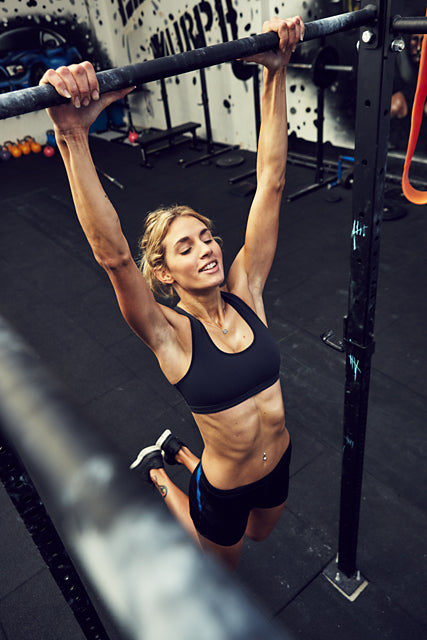
These grips are designed to be used with chalk (magnesium).
If you love to dive into the chalk bucket, or if the bars at your gym are already covered in the powder - these are for you.
Without lime
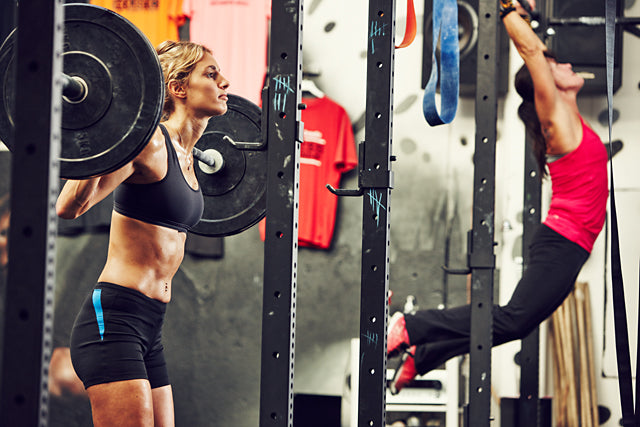
Grips that fit smooth bars, without the use of chalk (magnesium).
The material is often a little thicker and sticks to the rig like glue. Works well in gyms that prefer smooth bars without chalk.
Hybrid
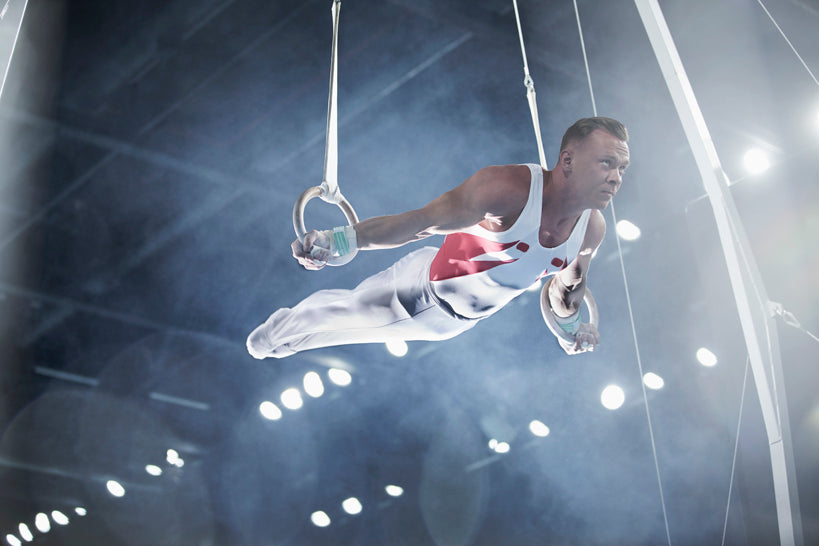
For those who want a pair of grips that work for most things.
Hybrid grips work with and without chalk and are a safe choice for those who haven't found a favorite yet, or who train in different places.
Sorry, there are no products in this collection.
When do you need grips?
If you plan on doing a lot of rig work, grips can make a big difference. They protect your palms and provide a better grip when you need to hold on for extended periods. This is especially true when your workout includes many repetitions and techniques like kipping pull-ups, toes-to-bar, or muscle-ups.
Many people primarily use grips to avoid tearing their hands. Others use them for better flow in their workout or to hang more from their wrists, thereby relieving pressure on their hands and fingers when the volume is high.
Whether you do CrossFit, functional fitness, or another type of training that involves rig work, a good pair of grips can make both training and competitions more manageable – and not least, more fun!
Our most popular grips
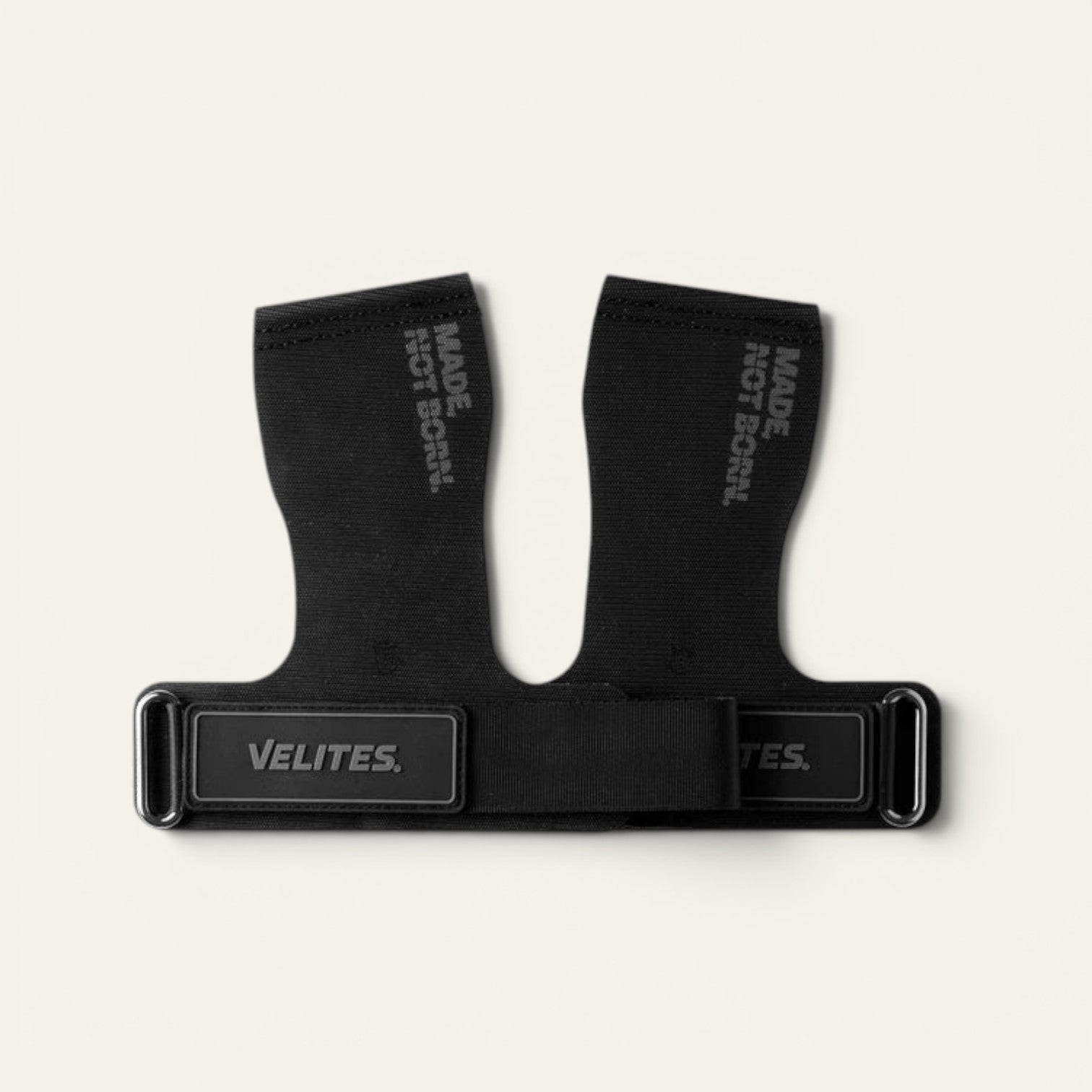
Grips as hand protection are used in exercises such as pull-ups, toes-to-bar, chest-to-bar, and muscle-ups.
FAQs
What are grips used for?
Grips are used to protect the palms and provide a better grip when training on the rig. Many people use them for exercises such as pull-ups, toes-to-bar, chest-to-bar, and muscle-ups. They can make your workout more comfortable, relieve stress on your hands, and reduce the risk of tearing your hands.
Do I need grips in Crossfit?
You don't need grips to train CrossFit, but if you do a lot of exercises like kipping on the rig, they can make a big difference. They protect your hands and can provide a better flow in workouts with many repetitions on the bar.
What is the difference between grips with chalk and without chalk?
Grips used with chalk are designed to provide extra friction when using chalk on your hands or the bar. They should have a little chalk on them to work ideally. Grips without chalk are designed to provide good grip directly on the bar and are often used in gyms where chalk is not allowed.
What are hybrid grips?
Hybrid grips work both with and without chalk. They are a great choice if you train at different gyms or want a single pair of grips that work in most situations.
What exercises are grips used for?
Grips are often used in exercises such as:
- pull-ups
- toes-to-bar
- chest-to-bar
- bar muscle-ups
- ring muscle-ups
They are especially used in CrossFit and other functional training where the hands are put under a lot of strain.
How do I choose the right grips?
Choose grips according to how you train and what the bars are like at your gym or box. If you use chalk, grips that work with chalk can provide the best grip. If you train without chalk, grips designed for direct friction against the bar may work better. Hybrid grips are a safe choice if you want something that works in both situations.
I am new to strength & conditioning. Do I need grips?
No, you don't need grips to start. But if you train a lot on the rig, they can make your workout more comfortable and save your hands a bit.
Many people start perfectly fine without them. But if your training involves a lot of rig exercises – such as pull-ups, toes-to-bar, or other exercises on the rig – grips can make the session more comfortable.
Grips protect your palms from tears and can provide a slightly better grip on the bar. Many therefore choose to start using grips as their training includes more bar work or higher training volume.
Tested by us
How to choose the right grip size?
The correct size of grips is mostly about how much coverage and grip you want in your palm. Most grips come in several sizes, and the right size means they fit better on your hand and provide better control on the rig.
How to measure your hand
- Lay your hand flat.
- Measure the distance from the base of your palm to the start of your middle finger (where the finger begins).
- Compare the measurement with the size chart for the grips.
As a rule of thumb:
- Smaller hand → S or M
- Larger hand → L or XL
Slightly larger or slightly smaller?
Some experienced athletes choose grips that are slightly larger than their hand, so they can create a small fold ("dowel") against the bar. This can provide better grip in exercises such as:
- pull-ups
- toes-to-bar
- muscle-ups
If you want a tighter fit, choose a size closer to your actual measurement.
Unsure about the size?
If you are between two sizes, many choose the smaller size if the goal is better control, and the larger one if you want more palm protection.
💡 Tip: When you first use grips, it may take a few sessions before they feel completely natural. Give them some time, and they will often mold better to your hand.